
Please fill out the form below and we will get back to you as soon as possible.
.png)
Amazon PPC for Beginners
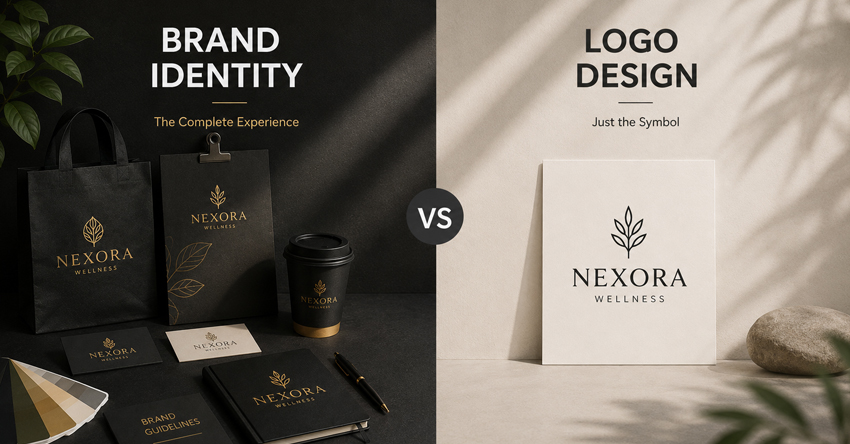
Brand Identity vs Logo Design: What Your Business Actually Needs to Build Trust
When most businesses decide to build a brand, the first thing they think about is designing a logo. While a logo is an essential part of branding, it represents only a small piece of what truly shapes customer perception. Today's businesses need more than just an attractive symbol—they need a complete identity that builds trust, communicates purpose, and creates consistent experiences across every customer touchpoint.
In this guide, we'll explain the difference between logo design and brand identity, why both matter, and how investing in strategic branding helps businesses stand out, build credibility, and create long-term customer loyalty.
Why Brand Identity Matters More Than a Logo
Many companies believe a professionally designed logo is enough to establish a memorable brand. However, customers rarely connect with businesses because of a logo alone. They connect with brands that consistently communicate their values, personality, and promise through every interaction.
From your website and social media profiles to customer service, advertisements, and packaging, every experience contributes to how people perceive your business. Together, these elements form your brand identity.
Think about the world's most recognizable companies. While their logos are memorable, their real strength comes from the consistency behind them—their colors, typography, messaging, visual style, and customer experience all work together to create trust and recognition.
Whether you're launching a startup, refreshing an existing business, or planning a complete rebrand, understanding the difference between a logo and a brand identity will help you make smarter branding decisions.
Brand Identity vs Logo Design: Understanding the Difference
One of the biggest misconceptions in business branding is believing that a logo and a brand identity are the same thing. While they work together, they serve very different purposes.
A logo is a visual symbol that helps customers recognize your business. A brand identity, however, is the complete visual and communication system that shapes how people experience, remember, and trust your brand.
Think of it this way:
Your logo is your signature.
Your brand identity is your reputation.
While a professionally designed logo attracts attention, it is your brand identity that creates credibility, influences purchasing decisions, and builds lasting customer loyalty.
What Is a Logo?
A logo is a graphic mark that represents your business. It acts as a visual identifier across websites, packaging, advertisements, business cards, and social media.
An effective logo should be:
- Simple and memorable
- Relevant to your industry
- Scalable across all platforms
- Timeless rather than trend-driven
- Easily recognizable
While a logo helps customers identify your company, it doesn't communicate your mission, personality, or values. Without a supporting brand identity, even the best logo becomes just another graphic.
What Is Brand Identity?
Brand identity is the complete visual and communication system that defines how your business presents itself to the world. It combines strategy, design, and messaging to create consistent experiences across every customer touchpoint.
A complete brand identity usually includes:
- Logo System
- Brand Colors
- Typography
- Graphic Elements
- Photography Style
- Iconography
- Tone of Voice
- Messaging Framework
- Brand Story
- Brand Guidelines
- Social Media Branding
- Website Visual Direction
Together, these elements create consistency and help customers instantly recognize your business wherever they encounter your brand.
Why Businesses Often Confuse Logo Design with Brand Identity
For many startups and small businesses, branding begins with a logo because it feels like the most visible step. After launching a logo, however, many businesses still struggle to create a consistent and memorable presence across different platforms.
Common challenges include:
- Inconsistent social media designs
- Unclear brand messaging
- Weak brand recognition
- Different visual styles across platforms
- Difficulty standing out from competitors
These problems occur because a logo alone cannot define your business. Without clear brand guidelines, every designer, marketer, or content creator interprets your business differently, resulting in an inconsistent customer experience.
Why Brand Identity Builds Customer Trust
Trust isn't created by a logo alone. Customers develop confidence in businesses through repeated, consistent experiences.
Whether someone visits your website, scrolls through your social media, reads your emails, views your advertisements, or receives your product packaging, they should instantly recognize the same personality and visual style.
- Consistency communicates professionalism.
- Professionalism builds credibility.
- Credibility creates trust.
- Trust influences purchasing decisions.
Businesses that maintain a consistent identity across every customer touchpoint are more likely to build recognition, strengthen loyalty, and increase long-term customer confidence.

Brand Strategy Comes Before Design
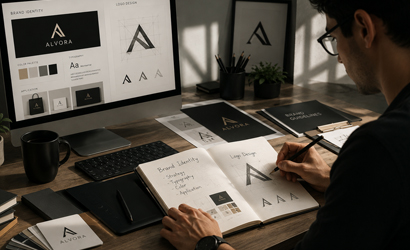
Many businesses start by asking, "Can you design us a logo?" A better question is, "What should our brand represent?"
Before designing any visual assets, businesses should clearly define:
- Who is our target audience?
- What problem do we solve?
- What makes us different?
- What personality should our brand communicate?
- What emotions should customers associate with us?
- How do we want to position ourselves in the market?
These strategic decisions become the foundation for every visual element that follows. Without strategy, design becomes subjective. With strategy, every design choice has a clear purpose.
Visual Identity Creates Recognition
Visual identity transforms your brand strategy into a consistent customer experience. Every element—from your color palette and typography to imagery and graphics—should reinforce the same message.
For example, a luxury brand may use elegant typography, minimal layouts, and sophisticated photography to communicate exclusivity, while a technology company may use bold colors, modern interfaces, and clean graphics to express innovation.
Although every business has its own unique style, successful brands are built around strategic positioning rather than personal preference. This consistency makes brands easier to recognize, remember, and trust.
Logo Design vs Brand Identity
| Logo Design | Brand Identity |
|---|---|
| Represents your business visually | Represents your business emotionally and visually |
| Focuses on one symbol | Focuses on the complete customer experience |
| Creates recognition | Creates recognition, trust, and loyalty |
| One element of branding | The complete branding system |
| Easy to design | Requires research, strategy, and consistency |
Why Investing in Brand Identity Delivers Long-Term Value
Businesses that invest only in logo design often find themselves redesigning their brand within a few years because their visual identity no longer reflects their growth or market position.
A strategic brand identity provides a consistent framework for websites, social media, marketing campaigns, packaging, presentations, and customer communication.
Instead of constantly reinventing your image, a complete brand identity supports sustainable business growth by strengthening recognition, improving credibility, and helping every marketing effort work together.
Key Takeaway
A logo is an important part of your business, but it is only the beginning of your brand. Brand identity combines strategy, messaging, design, and consistency into one unified system that shapes how customers perceive your company.
When your visuals, communication, and customer experience work together, your business becomes more memorable, more trustworthy, and more valuable over time.
How Digital Hawk Helps
A strong brand is built on more than great design. It requires a clear strategy, consistent messaging, and a visual identity that reflects your business across every customer touchpoint.
At Digital Hawk, we help businesses move beyond logo design to build memorable, trustworthy brands that support long-term business growth.
Our branding process combines research, strategy, creativity, and design to ensure every visual and communication element works together as one cohesive identity.
Our Branding & Graphic Design Services
- Brand Discovery & Strategy
- Brand Positioning
- Logo Design & Identity Systems
- Complete Visual Identity Development
- Brand Guidelines
- Color Palette & Typography Selection
- Marketing Collateral Design
- Social Media Branding
- Website Visual Direction
- Packaging & Label Design
- Presentation & Corporate Profile Design
- Creative Campaign Design
- Ongoing Brand Management & Design Support
Whether you're launching a startup, refreshing your existing identity, or repositioning your business for a new market, Digital Hawk creates strategic branding solutions designed to grow with your business.
Frequently Asked Questions
What is the difference between a logo and a brand identity?
A logo is a visual symbol that identifies your business, while a brand identity is the complete system of visuals, messaging, and brand experiences that shape how customers perceive your company.
Why is brand identity important?
A consistent brand identity builds recognition, strengthens credibility, and creates trust with your audience, helping your business grow more effectively.
Is a logo enough to build a successful brand?
No. A logo is only one part of branding. Without strategy, messaging, and consistency, even the best logo cannot create a memorable brand.
What does a complete brand identity include?
It usually includes logo systems, color palettes, typography, brand guidelines, messaging, graphic elements, photography style, website direction, and social media branding.
Why do brand guidelines matter?
Brand guidelines ensure every designer, marketer, and team member presents your brand consistently across every platform.
How does branding build customer trust?
Consistent branding creates familiarity, professionalism, and confidence, making customers more likely to trust and purchase from your business.
When should a business consider rebranding?
Rebranding is recommended when your identity no longer reflects your values, audience, services, or market positioning.
Why hire a branding agency?
A branding agency develops both the strategy and visual identity, ensuring every design decision supports your long-term business goals.
Can Digital Hawk refresh an existing brand?
Yes. We help businesses modernize their visual identity while maintaining recognition and improving market positioning.
How long does branding take?
The timeline depends on the project's scope. A complete branding process typically includes research, strategy, design, revisions, and brand guideline development.
Final Thoughts
A logo may introduce your business, but your brand identity determines how customers remember it.
In today's competitive marketplace, customers choose businesses they recognize, trust, and connect with. That trust is built through consistent experiences, clear messaging, and a unified visual identity.
Instead of asking whether you need a new logo, ask whether your brand consistently communicates who you are, what you stand for, and why customers should choose you.
Ready to Build a Brand That Stands Out?
Your brand is more than a logo—it's every impression your business leaves on customers.
At Digital Hawk, we combine strategy, creativity, and visual identity to help businesses build brands that people recognize, trust, and remember.
Contact our branding experts today and let's create a complete brand identity designed to grow your business.

Always ready to solve all your problems.
December 20, 2025
Leave a Reply
Enim orci aliquam malesuada porttitor feugiat tellus malesuada quis fermentum mattis sit fringilla id feugiat velit non sed id.